You cleared the drain last month and it is slow again already. That is the part that wears people down, paying to unblock the same drain over and over while nobody explains why it keeps happening. A drain that keeps blocking after being cleared almost always has an underlying cause that rodding or jetting alone does not fix, whether that is a kitchen habit, tree roots, or a pipe that has been damaged or poorly laid. The seven causes below run from the simplest to the most serious, and this guide will help you work out which one is behind your recurring blocked drain in Bournemouth.
First, Why Does Clearing It Not Make It Stay Clear?
Clearing a drain removes the blockage. It does not remove the reason the blockage formed. That is the whole difference between a one-off and a repeat problem.
When a drain blocks once, gets cleared, and stays clear, the cause was a passing one. When it blocks again within days or weeks, something is still there, either a habit that keeps feeding the pipe or a fault in the pipe itself that catches everything passing through. This is why paying for repeat clearances on a recurring blockage feels like throwing money away. You are treating the symptom while the cause sits underground untouched.
Which Drain Keeps Blocking? A Quick Self-Check
Where the blockage shows up tells you a lot about what is causing it. Use this as a quick guide before you read on.
- A slow kitchen sink usually points to fat, oil and grease.
- A slow bath or shower is most often hair and soap scum.
- A toilet that keeps backing up is usually non-flushable items.
- A single outside drain or gully points to leaves, silt or sand, or to roots.
- Several sinks, toilets and showers draining slowly at once points to a shared or underground problem affecting the whole run.
That last one matters most. If the whole house is slow, the cause is rarely anything you put down a single plughole, and it is the clearest sign to get the pipe looked at properly.
The 7 Common Causes of a Drain That Keeps Blocking
1. Fat, oil and grease from the kitchen
Cooking fat goes down the sink as a warm liquid, then cools and sets hard on the pipe walls. Each time it happens the channel narrows, until food debris catches on it and the flow stops. This is the most common kitchen cause by far, and it builds back up quickly because the habit that causes it continues. If your trouble spot is the outside kitchen gully, our guide on how to unblock an outside kitchen drain walks through what you can safely do yourself.
2. Wet wipes and non-flushable items
Wipes, cotton buds, kitchen roll and sanitary products are a leading cause of repeat toilet blockages, even the ones labelled flushable. They do not break down the way toilet paper does, so they snag inside the pipe and gather more material over time. The fix is simple in principle: flush only the three Ps, which are pee, paper and poo.
3. Hair and soap scum
In bathrooms, hair binds with soap scum to form a soft mat that catches everything else. It is a slow build-up, which is why a shower drains a little slower each week until it finally stops. Properties with heavy bathroom use feel this fastest, and Bournemouth has plenty of converted flats, shared houses and holiday lets where bathrooms work hard all year.
4. Leaves, silt and coastal sand in outside drains
Outside gullies and yard drains collect leaves, grit and silt, and across this area they also collect windblown coastal sand. After heavy rain this debris washes into the system and settles where the flow slows, which is a common cause of outside drains backing up locally. Seasonal weather plays a real part in this, and our article on how heavy rainfall impacts drainage systems in Bournemouth explains why these blockages spike in wet months.
5. Tree root ingress
Roots are drawn to the moisture and nutrients inside a drain and push in through the smallest crack or joint. Once inside they grow into a dense mat that traps waste and causes repeated blockages, and they are most common on older, greener streets. A camera inspection is the only way to confirm it, and you can read more about how a CCTV survey detects tree roots in pipes before deciding what to do.
6. Ageing pitch fibre and Victorian clay pipes
The age of your pipework matters. Many semis built between the 1950s and 1970s across Moordown, Kinson and Parkstone were laid with pitch fibre, which blisters and deforms inside as it ages and narrows the bore. Victorian homes in Boscombe and central Bournemouth often still have clay pipes that crack and shift at the joints. Both create rough internal surfaces and restrictions that catch waste and block again and again.
7. Bellied pipes, poor gradient or a partial collapse
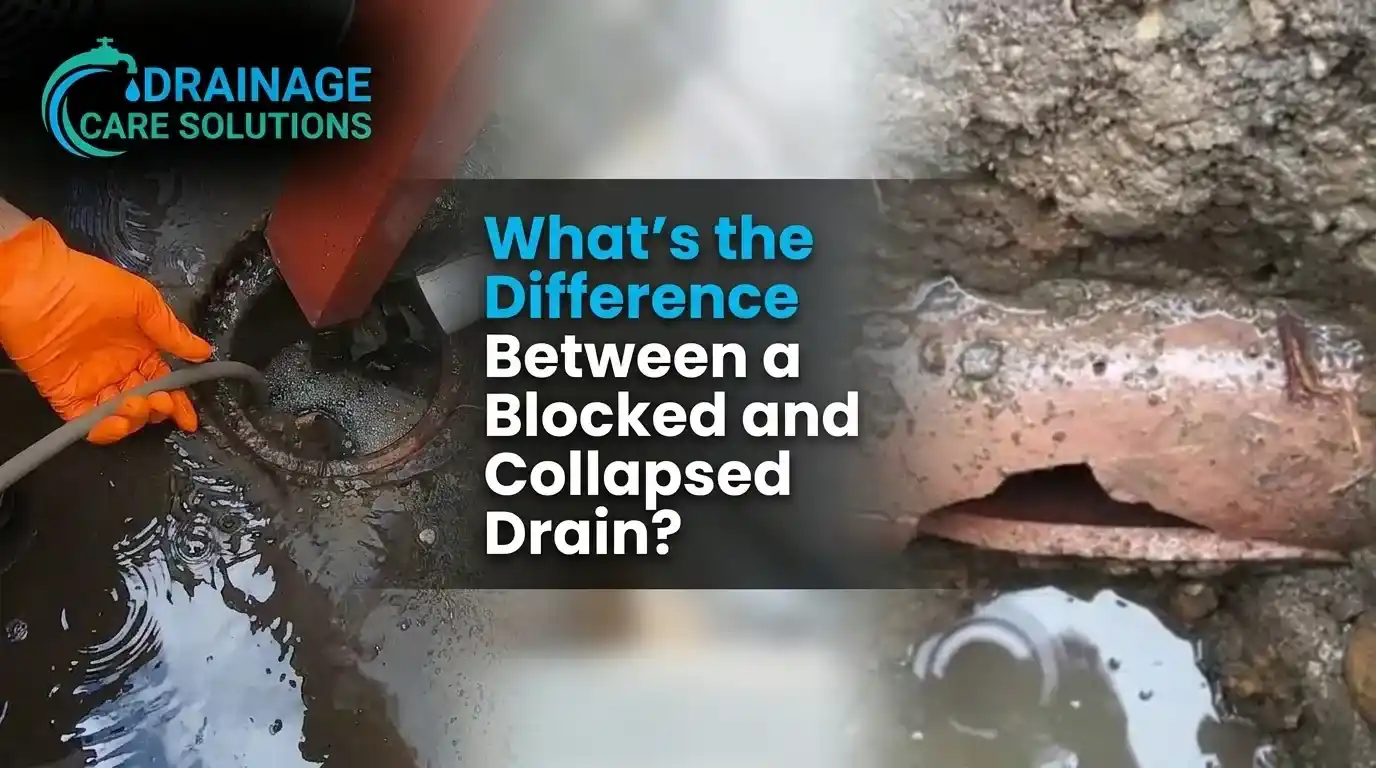
Sometimes the pipe simply does not drain as it should. A bellied or sagging section, a gradient that is too shallow, or a partial collapse all let water and waste pool instead of flowing away. These faults cause persistent blockages no amount of clearing will cure, because the problem is the shape and condition of the pipe. If you suspect this, our guide on the difference between a blocked and collapsed drain helps you tell them apart.
Can I Fix a Recurring Blocked Drain Myself?
For surface causes, yes. Grease, hair and soap build-ups near the plughole can often be managed at home with a plunger, a drain snake or a strainer, and by changing the habits that feed them. These are worth trying first.
The honest answer changes once a drain keeps blocking after clearing. At that point the cause is usually underground, beyond the reach of a plunger or a shop-bought product, and repeat home attempts only buy a few days each time. Paying again and again for temporary fixes ends up costing far more than finding the cause once.
When to call a professional
- The same drain blocks again within days or weeks of being cleared
- More than one sink, toilet or shower is slow at the same time
- Water backs up or there is a sewage smell outdoors
- Gurgling continues after the drain has been rodded
- You have an older property with original clay or pitch fibre pipes
How a CCTV Survey Finds the Real Cause
When a blockage keeps returning, guessing gets expensive. A CCTV drain survey is the only way to confirm an underground cause, because it puts a camera inside the pipe and shows exactly what is there, whether that is roots, a deformed pitch fibre section, a bellied run or a crack. It turns repeat guesswork into a single, targeted fix, and across Bournemouth these inspections are usually available the same day.
How to Stop Your Drains Blocking Again
A few habits prevent most repeat blockages:
- Let fat and oil cool and set, then bin it rather than washing it down the sink
- Fit simple strainers over kitchen sinks and shower drains to catch food and hair
- Flush only the three Ps and keep wipes out of the toilet, even flushable ones
- Clear leaves, silt and sand out of outside gullies, especially before and during wet months
- If a drain keeps blocking despite all this, book a survey to find the underlying cause
Frequently Asked Questions
Why does my drain keep blocking after being cleared?
Clearing removes the blockage but not its cause. If a drain blocks again within days or weeks, something underlying remains, such as a grease habit, tree roots, a deformed pitch fibre pipe or a bellied section. A CCTV survey confirms which it is.
Why does my toilet keep blocking?
Recurring toilet blockages are usually caused by non-flushable items such as wet wipes, cotton buds and sanitary products, which do not break down like toilet paper. If only the toilet is affected and you flush only the three Ps, the cause may be further down the pipe.
Why does my outside drain keep blocking?
Outside drains collect leaves, silt and coastal sand that wash in during heavy rain and settle where the flow slows. Tree roots and a damaged underground pipe are also common causes, especially on older streets, and these need a camera inspection to confirm.
Why do older Bournemouth houses get more blocked drains?
Many older properties still have Victorian clay or 1950s to 1970s pitch fibre pipes. Clay cracks and shifts at the joints, and pitch fibre deforms internally as it ages. Both create rough surfaces and restrictions that trap waste and cause repeated blockages.
How do I stop my drains from blocking?
Bin fats rather than pouring them away, fit strainers on sinks and showers, flush only the three Ps, and keep outside gullies clear of leaves and sand. If blockages keep returning despite this, a survey to find the underlying cause is the lasting fix.
When should I call a professional about a recurring blockage?
Call a professional when the same drain blocks repeatedly, when several fixtures are slow at once, when water backs up or smells outdoors, or when gurgling continues after rodding. These point to an underground cause that home methods will not reach.
Drain Keeps Blocking in Bournemouth? Let’s Find the Cause
Tired of clearing the same drain again and again? Find out why, once.
Drainage Care Solutions traces recurring blockages back to the real cause across Bournemouth, Poole and every BH postcode. We clear the drain, then put a camera down to show you exactly why it keeps happening, so you stop paying for the same problem twice.
- Same-day attendance across BH1 to BH11
- High-pressure jetting and CCTV diagnosis in one visit
- Clear written findings, honest fixed pricing, no hidden charges
- Local engineers who know Bournemouth’s pipes and soil
Call now on 07717 561588 or request a free quote through our contact page. Stop guessing and get the cause confirmed today.